Find Your Parts Quicker , Easier and More Reliable
Trinity Auto Parts supplies tested used OEM and remanufactured fuel pump assemblies for cars, trucks and SUVs. That covers complete in-tank fuel pump modules with the sending unit and level sensor, standalone fuel sending units, engine-mounted high-pressure fuel pumps for direct-injection engines, and inline or frame-mounted pumps on older vehicles. Every unit is inspected before shipping and VIN-matched to your vehicle before dispatch.
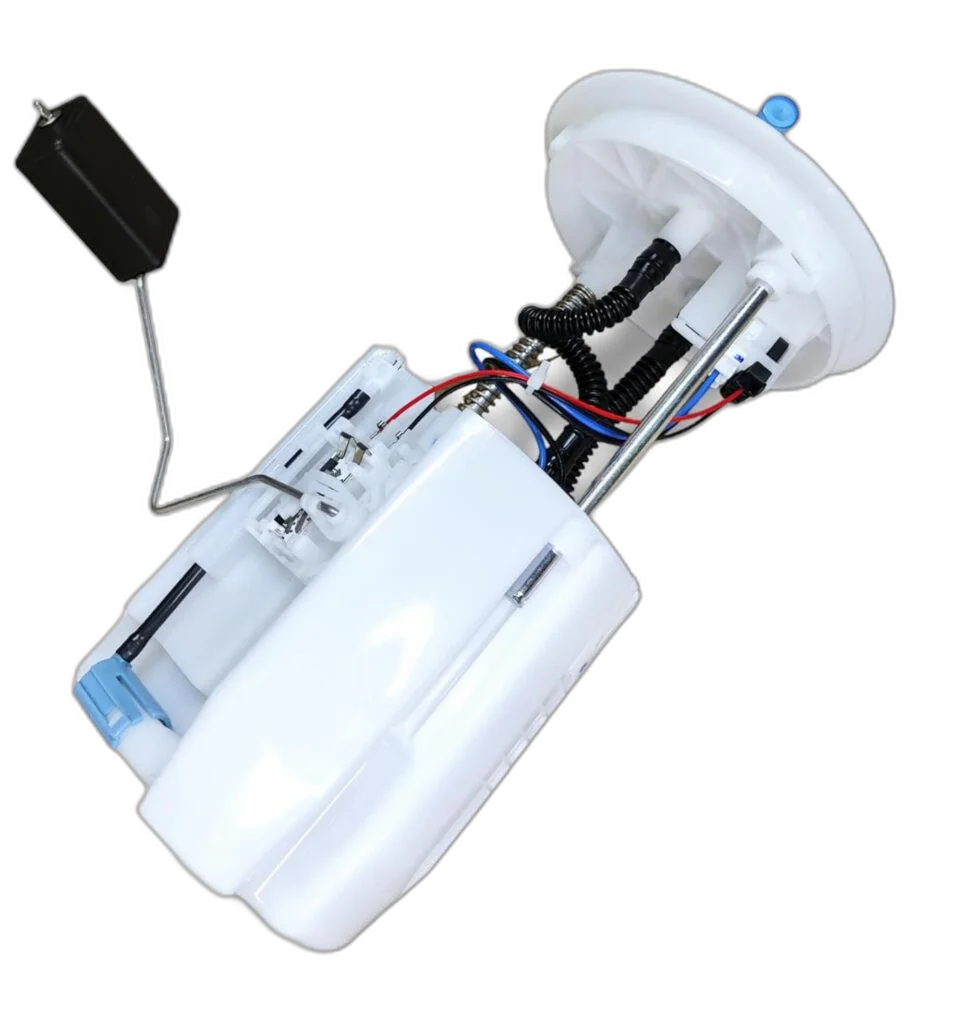
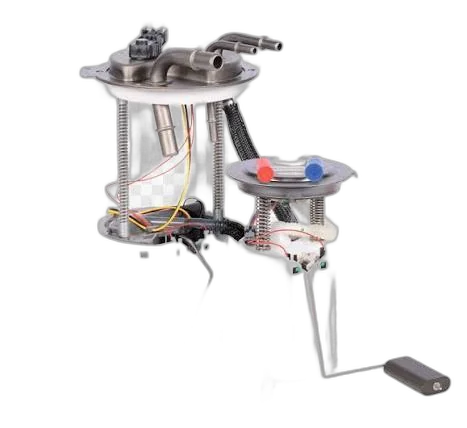
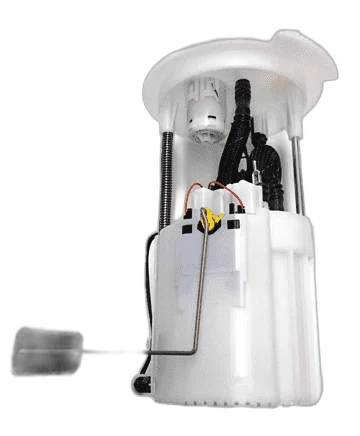
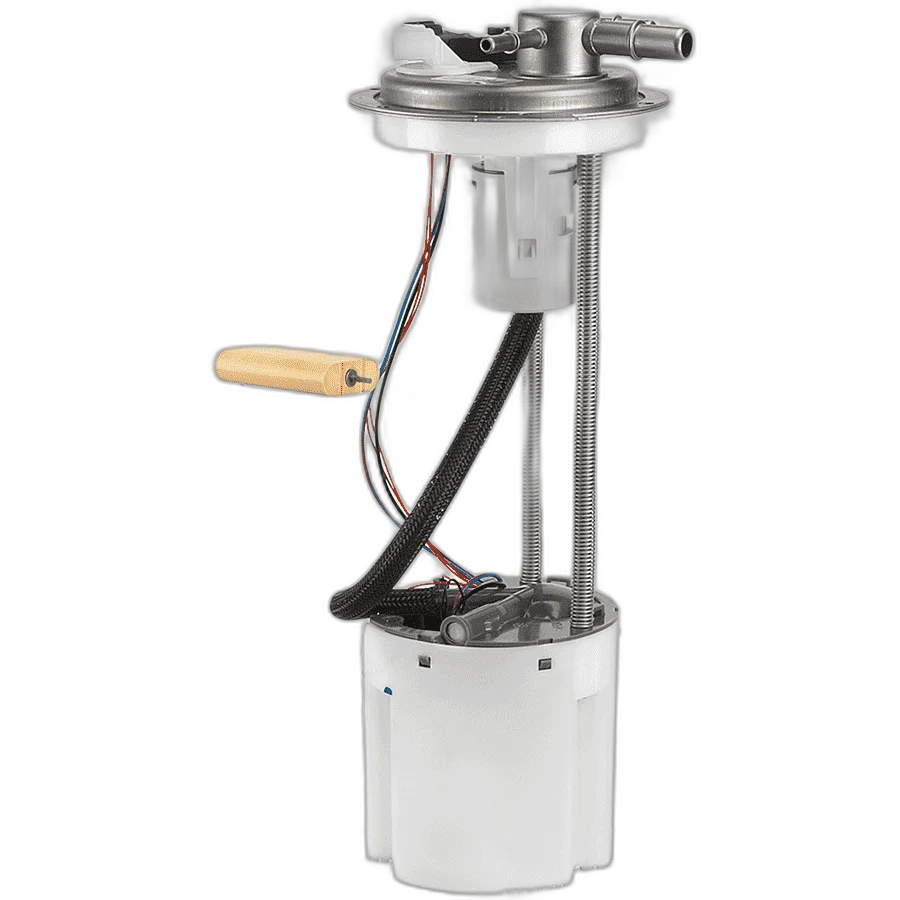
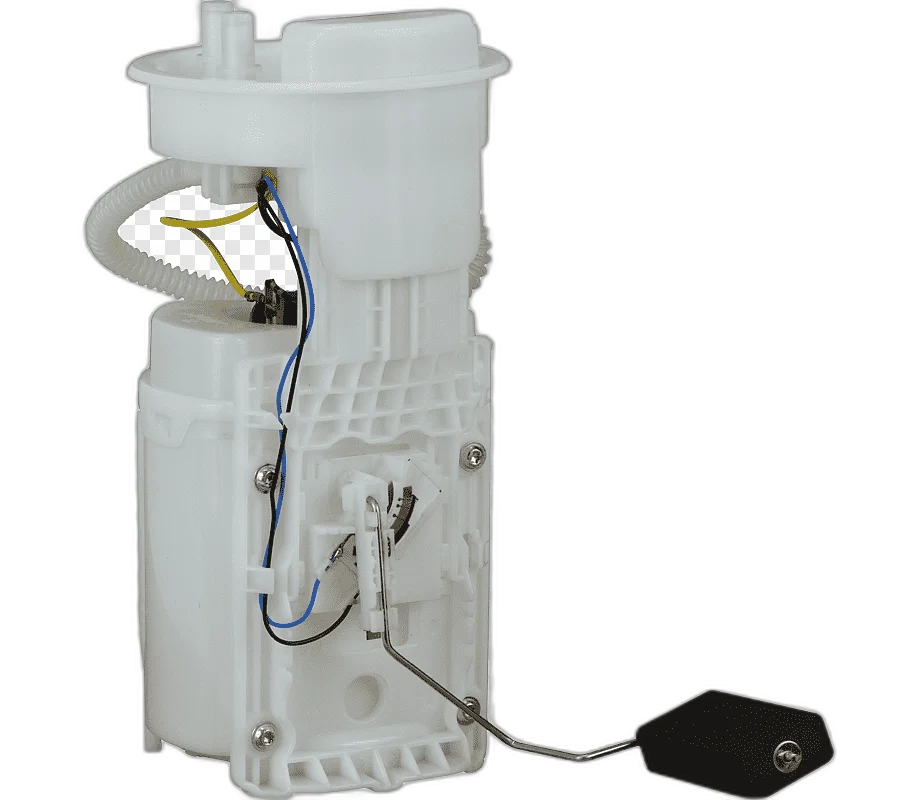
A fuel pump assembly, also called a fuel pump module, hangs inside the tank and combines the electric pump, the fuel level sending unit, the strainer, and on many vehicles the pressure regulator and filter in one unit. Replacing the whole module is usually simpler and more reliable than swapping the pump alone. Send us your VIN and we will match the right module, whether you drive a gasoline, diesel or flex-fuel vehicle. Every assembly comes from a well-maintained running vehicle and is fully tested, inspected and guaranteed before it ships.
Each assembly is checked for a clean strainer, an intact float arm and sender, sound wiring at the flange, and a pump that runs. Remanufactured units get a new pump motor and strainer on a tested hanger.
Fuel pump modules differ by tank size, engine, fuel type and even bed length on pickups. We confirm the part number and application against your 17-digit VIN before dispatch, so the flange, connector and float arm match your tank.
Every fuel pump ships with a warranty, up to 2 years on select parts, with the exact term on your quote. Shipping is free across the USA and Canada, and return shipping is free if the part is not right.
Trinity Auto Parts was founded in 1990 and is BBB accredited. We catch the details that cause misfits, such as dual-tank trucks and mid-year connector changes.
A used OEM assembly is the lowest-cost option and keeps the factory sender and regulator. A remanufactured assembly costs more but arrives with a new pump motor, which is the safer choice on high-mileage vehicles.
Call +1 725-208-4566 or email [email protected] and you reach someone who can read a module part number, check your VIN and tell you whether you need the full assembly, a sender only, or a high-pressure pump.
This guide is for anyone whose vehicle has a weak, noisy or dead fuel pump and wants a tested used or remanufactured replacement instead of a new dealer part. Decide first which pump you need: the in-tank fuel pump assembly, the sending unit only, or the engine-mounted high-pressure pump on a direct-injection engine.
A fuel pump assembly, or fuel pump module, is the unit inside the fuel tank that carries the electric fuel pump, the fuel level sending unit and float, a strainer and, on many vehicles, the pressure regulator. It delivers fuel to the engine at the pressure the injectors need; direct-injection engines add a second, engine-mounted high-pressure pump.
Buy used OEM for the lowest cost and a factory hanger, sender and regulator that match your tank. Choose remanufactured when the vehicle has high mileage, because a remanufactured module arrives with a new pump motor and strainer on a tested hanger.
| Factor | Used OEM | Remanufactured |
|---|---|---|
| Condition | Complete donor module, inspected and run tested | Factory hanger with new pump motor and strainer, tested |
| Typical cost vs new | Often 50–70% less than a new dealer part | Less than new, more than used |
| Availability | Good for common vehicles; harder for rare tank variants | Wider; hangers are rebuilt to order |
| Best for | Lower-mileage vehicles and exact factory fit | High-mileage daily drivers |
| Component | Usually included? | Notes |
|---|---|---|
| Electric fuel pump on the hanger | Yes | Run tested before shipping. |
| Fuel level sending unit and float | Usually | Varies by listing; confirmed before shipping. |
| Strainer or sock filter | Usually | Attached to the pump inlet on most modules. |
| Pressure regulator and in-tank filter | Varies by listing | Integrated on many returnless systems; confirmed before shipping. |
| Lock ring and tank seal | Varies by listing | Most shops fit a new seal. |
| Fuel pump control module | No | A separate part on many newer vehicles. |
Request a quote with the form above or call +1 725-208-4566.
The fuel sending unit is the float, arm and variable resistor that tells the gauge how much fuel is in the tank. On most modern vehicles it is built onto the fuel pump hanger, so a complete assembly includes it. If the pump works but the gauge is wrong, the sender alone may be the fault. Some vehicles have a second, pump-less sender on the far side of a saddle-shaped tank, which we can source separately.
Direct-injection engines use two pumps: the in-tank pump moves fuel to the engine at low pressure, and a mechanical high-pressure fuel pump, driven by a lobe on the camshaft, raises it to the pressure the injectors need. A weak high-pressure pump causes long cranking, misfires under load and a loss of power at higher rpm while the in-tank pump sounds normal. Confirm which pump your shop has condemned before ordering.
Almost every fuel-injected vehicle built in the last few decades uses an in-tank pump on a hanger with the sender and strainer. The fuel keeps the pump cool and quiet, which is why running near empty shortens pump life. Older fuel-injected vehicles and some trucks use an inline or frame-mounted electric pump on the chassis along the fuel line, sometimes fed by a lift pump in the tank. Your VIN tells us which design you have.
Before condemning a pump, a shop checks the fuse and relay, the wiring and ground at the tank, fuel pressure at the rail, and the fuel filter where there is a serviceable one. Installation means relieving fuel pressure, disconnecting the battery, and reaching the module through an access panel under the rear seat or trunk floor or by lowering the tank. Most shops fit a new lock ring seal, clean debris from the tank, and cycle the key a few times to prime the system. A fuel pump assembly needs no programming; a separate fuel pump control module, where fitted, is a different part.
| Item | Detail |
|---|---|
| Delivery | Typically 3–5 business days in the continental US; Canada and freight items can take longer. |
| Warranty | Up to 2 years on select parts; every part ships with a warranty — the exact term is on your quote. |
| Returns | Free return shipping. |
| Coverage | USA & Canada. |
Usually, yes. A complete in-tank fuel pump assembly normally carries the pump, the fuel level sending unit and float, the strainer and, on many vehicles, the pressure regulator on one hanger. Exact contents vary by listing, so we confirm what is included before shipping. If you only need the sending unit, we can often source that on its own.
The common signs are a whining noise from the tank, long cranking before the engine starts, sputtering or surging at highway speed, loss of power under load, and stalling when hot that clears after the engine cools. A fuel gauge that reads wrong points to the sending unit on the same hanger. A shop confirms it with a fuel pressure test.
The fuel pump assembly is the electric pump module inside the tank that feeds fuel to the engine. A high-pressure fuel pump is a second, camshaft-driven pump on the engine that direct-injection engines use to reach injector pressure. Port-injected engines only have the in-tank pump. If your engine is direct injected, a shop needs to tell you which of the two has failed.
Replacing the complete assembly is usually the better repair. The sender, strainer, wiring and regulator on the hanger have the same age as the pump, and a complete module drops into the tank without any rebuilding. Swapping the pump alone saves a little money but adds labor and leaves the old float and sender in place.
A tested used OEM assembly is a sound repair when it comes from a donor vehicle that matches yours, and it costs far less than a new dealer part. We inspect the strainer, sender and wiring and run the pump before shipping, and every unit carries a warranty. If your vehicle has high mileage, a remanufactured assembly with a new pump motor is the safer choice.
Plan on a couple of hours if the vehicle has an access panel under the rear seat or trunk floor, and half a day or more if the tank has to be lowered. A nearly empty tank makes the job easier and safer. Because the assembly needs no programming, the vehicle is normally ready to drive once the system has been primed and checked for leaks.
Yes. We ship across the USA and Canada. Continental US deliveries typically arrive in 3 to 5 business days; Canadian and freight shipments can take longer. Shipping is free, and free return shipping applies to Canadian orders as well.
Your 17-digit VIN is the most important item, because it tells us the exact engine, transmission and options your vehicle was built with. Add the year, make, model and trim, the part number from the old unit if you can read it, and a photo or two. We confirm the match before we ship.
Return it with free return shipping. We VIN-match every part before dispatch, so misfits are rare, but if the unit you receive does not match your vehicle, contact us at [email protected] or call +1 725-208-4566 and we will arrange the return and a replacement or refund under the warranty on your quote.